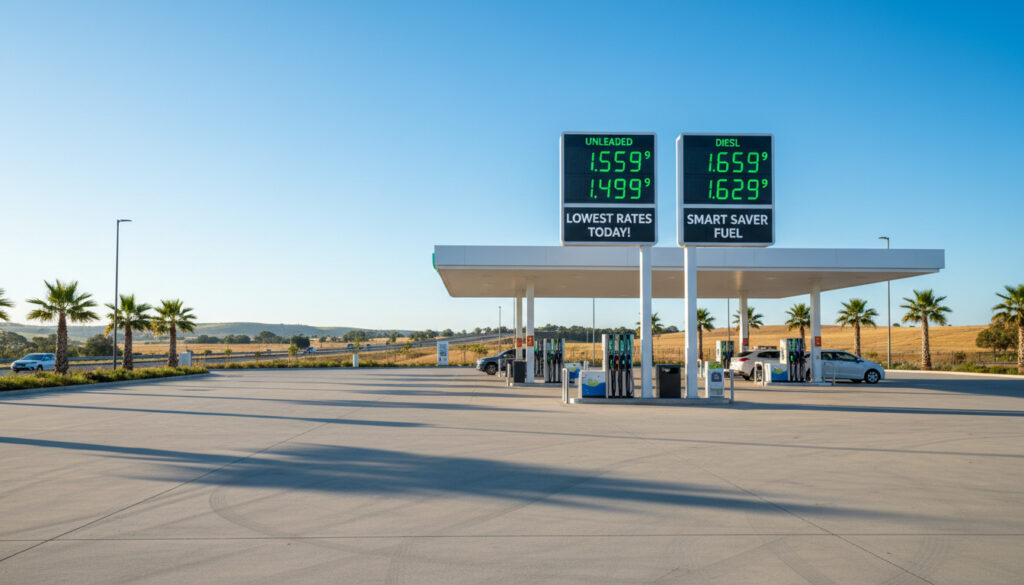
Fuel Watch WA – Guide to Cheapest Petrol Prices
Western Australian motorists operate within a unique fuel pricing environment unlike any other Australian state. Since January 2001, FuelWatch WA has mandated that petrol stations lock their prices for 24-hour periods, creating a transparent marketplace where informed drivers can secure significant savings through strategic timing.
The system requires retailers to submit next-day prices by 2:00pm daily, with these figures frozen from 6:00am the following morning. This regulatory framework eliminates the volatile intra-day price fluctuations seen in eastern states, offering consumers certainty and the ability to plan refueling stops with precision.
With approximately one million monthly website visits, the service has become essential infrastructure for WA families and businesses navigating the state’s vast distances. Much like travelers researching Flights to Japan from Melbourne – Cheapest Fares and Routes seek optimal booking windows, FuelWatch users monitor specific times to minimize fuel expenditure.
What is FuelWatch WA?
- World’s First: Launched in January 2001 as the first mandatory fuel price reporting program globally.
- Daily Deadlines: Retailers must report prices by 2:00pm, with public visibility starting at 2:30pm.
- Price Stability: Once locked at 6:00am, prices remain fixed for exactly 24 hours, regardless of wholesale fluctuations.
- High Usage: The service processes roughly one million website visits each month from price-conscious drivers.
- Historical Records: Complete daily pricing data remains publicly available from January 2001 onward.
- Cash Prices Only: Displayed figures represent standard cash prices excluding credit card fees or supermarket discounts.
- Compliance Enforcement: Physical inspections verify station compliance, with penalties for incorrect pricing displays.
| Attribute | Details |
|---|---|
| Launch Date | January 2001 |
| Operating Authority | WA Department of Mines, Industry Regulation and Safety (Consumer Protection) |
| Daily Reporting Deadline | 2:00 PM |
| Price Lock Commences | 6:00 AM (24-hour duration) |
| Public Price Display | After 2:30 PM daily |
| Monitored Fuel Types | Unleaded, Premium Unleaded, Diesel, LPG |
| Coverage Areas | Perth Metropolitan, South West, selected regional centres |
| Historical Data Archive | Available since January 2001 via data.wa.gov.au |
| Official Website | www.fuelwatch.wa.gov.au |
How does FuelWatch work?
Finding the cheapest fuel near you
Drivers access tomorrow’s fuel prices after 2:30pm each day through the official FuelWatch website. The platform displays prices in multiple formats: an interactive map highlighting the lowest rates in red, searchable lists by suburb or postcode, and a “use my location” feature for mobile users.
This advance notice allows consumers to identify which stations will offer the cheapest fuel for the next 24 hours. The system updates simultaneously across all participating stations, ensuring no station can undercut advertised prices during the locked period.
How retailers report prices
Registered fuel retailers submit their next-day prices through a secure online portal before the 2:00pm deadline. These submissions become legally binding at 6:00am the following morning. Consumer Protection inspectors conduct random compliance checks at service stations to verify that displayed prices match the FuelWatch database, with violations attracting penalties.
Mobile access and apps
No dedicated mobile application exists for FuelWatch. The service operates exclusively through a mobile-responsive website optimized for smartphones and tablets. Users cannot submit price reports or corrections; only registered retailers possess credentials to update pricing information. Consumers may establish “My Account” profiles to receive personalized email alerts for specific suburbs or fuel types.
Check FuelWatch after 2:30pm daily to view tomorrow’s locked prices. This 24-hour advance window allows drivers to plan refueling stops strategically rather than reacting to price boards, particularly valuable before long regional trips.
What is the WA petrol price cycle?
Daily price change times
The WA fuel market operates on a strict 24-hour cycle commencing at 6:00am. At this time, all participating stations activate their previously reported prices, which remain immutable until the following 6:00am period. This mechanical regularity contrasts sharply with eastern states where prices fluctuate throughout the day based on wholesale movements and competitor reactions.
Every second Tuesday, Perth experiences a discounting cycle where prices drop significantly. While 8:00am is commonly cited as an optimal time to access these cheap petrol rates, the fundamental lock mechanism begins at 6:00am regardless of the station’s specific pricing strategy.
How stations set prices
Individual retailers determine their own pricing strategies within the regulatory framework. They may choose to discount aggressively to move volume or maintain higher margins, but once submitted to FuelWatch, that decision binds them for 24 hours. This creates a market where stations compete on daily positioning rather than hourly undercutting.
The 6:00am lock guarantees that the price displayed when you start your journey remains valid all day. Unlike markets where prices change between morning commute and evening return, WA drivers face no intra-day price volatility.
What areas does FuelWatch cover?
Perth metropolitan coverage
FuelWatch maintains comprehensive coverage across the entire Perth metropolitan region. All suburbs within the urban boundary participate in the mandatory reporting scheme, ensuring city drivers enjoy complete market transparency regardless of whether they refuel in the CBD, northern suburbs, or southern corridors.
Regional and remote Western Australia
Beyond Perth, the service extends to numerous regional centres including the South West. However, coverage does not extend uniformly across all remote areas of the state. The website maintains a “FuelWatch boundary” map indicating exactly which towns and roadhouses participate in the scheme. Drivers planning long-distance travel into isolated areas should verify coverage availability before departure.
While metropolitan Perth and major regional centres like Bunbury and Albany fall under FuelWatch, remote communities and isolated roadhouses may operate outside the reporting requirements. Always verify coverage for your specific route when traveling beyond major highways.
How has FuelWatch evolved over time?
- : Launch as the world’s first mandatory fuel price reporting service, establishing the 24-hour price lock mechanism. Source: Wikipedia – FuelWatch
- : Implementation of daily 2:00pm reporting deadlines and 6:00am price activation protocols. Source: Consumer Protection WA
- : Development of mobile-responsive web interfaces replacing earlier limited digital access methods. Source: WA Government Announcements
- : Introduction of enhanced mapping tools with color-coded price indicators and expanded regional coverage into additional WA centres. Source: WA Government Announcements
- : Service processes approximately one million monthly visits with complete historical data availability from 2001 onward. Source: Wikipedia – FuelWatch
What is established and what remains uncertain about FuelWatch?
| Established Information | Information That Remains Unclear |
|---|---|
| Government-operated service under the Department of Mines, Industry Regulation and Safety | Specific timeline for development of a dedicated mobile application |
| Mandatory 24-hour price locks commencing at 6:00am daily | Exact expansion timeline for remote regional coverage |
| Retailers must report by 2:00pm; prices display after 2:30pm | Detailed penalty fee schedules for non-compliance violations |
| Covers Perth metro and selected regional areas including South West | Future enhancements to real-time alert systems |
| Historical open data available from January 2001 | Specific algorithms determining Tuesday discount cycle variations |
Why does the FuelWatch system matter for WA consumers?
Western Australia’s geography amplifies the importance of fuel pricing transparency. With distances between regional centres often exceeding hundreds of kilometres, motorists cannot easily shop between multiple stations. The 24-hour price lock provides certainty during long journeys, allowing drivers to refuel at known rates without fearing sudden increases.
The system fundamentally alters market dynamics compared to eastern states. Where Victorian or New South Wales drivers might encounter price changes between morning and evening commutes, WA consumers face stable daily rates. This predictability enables genuine competition based on daily positioning rather than reactive undercutting, rewarding consumers who research prices much as they would compare Ikea Double Bed – Sizes, Models and Prices for household budgeting.
Economic analysis suggests the transparency has reduced overall fuel prices across the state by enabling informed consumer choice. By removing information asymmetry—where stations knew competitors’ prices but consumers did not—the scheme forces retailers to maintain competitive positioning during their 24-hour lock periods.
What do official sources say about FuelWatch operations?
“FuelWatch promotes price transparency and certainty in the market by providing consumers with information about fuel prices, helping them make informed decisions about when and where to purchase fuel.” For more details on how FuelWatch operates and to see the latest prices, you can consult the UEFA World Cup qualifiers table.
— Western Australia Government, Department of Energy, Mines, Industry Regulation and Safety
“Retailers must notify their next day’s fuel prices to FuelWatch by 2pm each day. These prices are then locked in and cannot be changed for 24 hours from 6am the next day.”
— Consumer Protection WA, Official Guidelines
How can drivers maximize savings with FuelWatch?
Success with FuelWatch requires habitual checking of tomorrow’s prices after 2:30pm daily. Drivers who identify low-priced stations during discount cycles—particularly the Tuesday reductions common in Perth—can secure significant savings by timing their refueling accordingly. While no dedicated app exists, bookmarking the mobile website and setting up email alerts for your regular suburbs ensures you never miss optimal pricing windows. Combine this diligence with other consumer research practices, such as comparing Ikea Double Bed – Sizes, Models and Prices for home furnishings, to maintain comprehensive household budget control.
Frequently Asked Questions
Why do WA fuel prices change at 6am and 8am?
The mandatory 24-hour price lock activates at 6:00am daily. While 8:00am is often cited as optimal for cheap petrol during Tuesday discount cycles, the official lock time remains 6:00am regardless of when stations display reduced rates.
Does FuelWatch work outside Perth?
Yes. FuelWatch covers metropolitan Perth fully and extends to many regional areas including the South West. However, remote and isolated communities may fall outside the reporting boundary.
Can I report fuel prices to FuelWatch?
No. Only registered retailers can submit prices through the online system. Consumers may subscribe to email alerts but cannot report or correct station pricing.
Is there a FuelWatch app I can download?
No dedicated mobile app exists. Access the service through the mobile-responsive website at fuelwatch.wa.gov.au, which offers full mapping and search functionality.
How accurate are FuelWatch prices?
Prices are legally binding once locked at 6:00am. Compliance inspections ensure stations display exactly what they reported, with penalties for discrepancies.
What fuels does FuelWatch monitor?
The service tracks standard unleaded petrol, premium unleaded variants, diesel, and LPG across participating stations.
Why don’t FuelWatch prices match what I paid?
FuelWatch displays standard cash prices only. Credit card surcharges, supermarket discounts, membership deals, and voucher redemptions are excluded from the published figures.
How far back does the price history go?
Historical daily fuel prices are publicly available as open data from January 2001 through the WA Government data portal.
More related posts
 Tea Tree Oil – Benefits, Safe Uses and Side Effects
 Jason Bourne Franchise: Films in Order, Best & Future
 20 Euro to AUD – Current Rate, History and Tips
 Manny Pacquiao 2025 Net Worth and Current Life
 Nathan Buckley in 2025: Geelong Role, Net Worth & Family
 Carmelo Anthony: NBA Career, Stats, and Karmelo Case Confusion
 What Time Is the Melbourne Cup? 2026 Start & TV Guide
 Princess Anne: Health, Relationships, and Protocol Facts