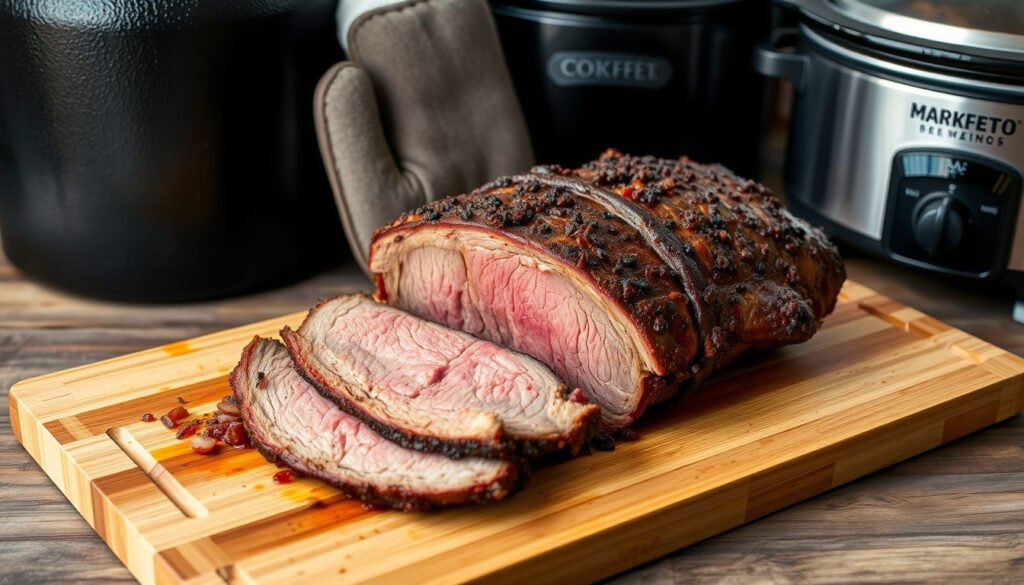
Beef Brisket Recipe – Oven, Smoker or Slow Cooker
The Best Beef Brisket Recipe (Oven, Smoker or Slow Cooker)
Beef brisket stands as one of the most rewarding cuts to master in American barbecue. While the cut comes from the chest of a cow and proves naturally tough, patient, low-temperature cooking transforms it into something remarkable. This guide covers every major method for achieving that coveted tender, pull-apart texture.
The magic behind great brisket lies in breaking down collagen, which requires both time and sustained heat. Whether you have access to a smoker, a dependable oven, or simply a slow cooker, the principles remain consistent. Understanding trimming, seasoning, and proper resting separates exceptional results from disappointing ones.
This article walks through selection, preparation, cooking techniques, and serving suggestions backed by documented methods from barbecue authorities and home cooking experts. Each approach offers distinct advantages depending on your equipment and schedule constraints.
How Do You Cook Beef Brisket?
Beef brisket originates from the breast section of the animal, positioned below the front shanks. This cut contains two primary muscles: the flat (the leaner portion) and the point (the fattier, more marbled section). Both demand extended cooking to become palatable.
Cook Time
8-18 hours low/slow
Serves
8-10 people
Difficulty
Intermediate
Best For
Holidays and BBQ
Key Insights for Brisket Success
- Patience is essential: Rushing the process produces tough, chewy results regardless of method used.
- Fat cap placement matters: Position fat side up in ovens and smokers so rendered fat bastes the meat continuously.
- Probe testing replaces time watching: When a thermometer slides in like warm butter, the brisket has reached ideal tenderness.
- Resting redistributes juices: Skipping the rest period leads to significant moisture loss during slicing.
- Wrapping conquers the stall: The temperature plateau around 165°F can last hours; wrapping in butcher paper or foil pushes through efficiently.
- Grain direction guides every cut: Identifying and cutting perpendicular to muscle fibers ensures each bite remains tender.
Snapshot: Essential Brisket Facts
| Attribute | Details |
|---|---|
| Primary Cut | Point and Flat muscles from the breast |
| Ideal Internal Temperature | 195-205°F for pull-apart texture |
| Rest Time After Cooking | 1-2 hours (longer yields better results) |
| Recommended Wood | Oak or Hickory for traditional smoke flavor |
| Fat Cap Target | 1/4 inch remaining after trimming |
What Is the Best Beef Brisket Recipe?
Texas-style beef brisket relies on simplicity. The classic approach uses a straightforward dry rub, minimal trimming, and extended low-temperature cooking. This philosophy translates well across different kitchen setups while maintaining the essential character of properly prepared brisket.
The Texas-Style Rub
The foundation of authentic Texas brisket seasoning consists of just three ingredients. A 1:1 ratio of coarse black pepper to kosher salt forms the backbone, with garlic powder added for depth. For a standard 12-15 pound brisket, this typically means 1/4 cup of each primary ingredient combined with 2 tablespoons of garlic powder.
Timing the rub application significantly affects bark development. Applying the mixture 8-24 hours before cooking, then refrigerating the brisket uncovered, allows the surface to dry slightly. This dry surface binds with the rub particles, creating that characteristic dark, flavorful crust during cooking.
Trimming Fundamentals
Excess hard fat must be removed, but over-trimming eliminates moisture reserves. Leave approximately 1/4 inch of fat cap on the flat portion. The point section traditionally remains untrimmed in Texas style, as its higher fat content contributes to both flavor and tenderness during the long cook.
Using a sharp boning knife makes trimming safer and more precise. Work slowly around the silver skin and hard fat deposits, preserving the fat layer that will render during cooking.
How Long to Cook Brisket in the Oven?
Oven cooking provides excellent results when smoking equipment remains unavailable. The key lies in maintaining consistent low temperatures and allowing sufficient time for collagen transformation. For those seeking a dedicated walkthrough, our Texas-Style Oven Brisket guide offers detailed instructions tailored specifically for indoor preparation.
Temperature and Timing Guidelines
Most oven methods operate between 200°F and 250°F. At 225-250°F, expect approximately 5-6 hours covered to reach 175°F, then an additional period uncovered to hit 195°F. Alternatively, cooking at 200°F requires roughly 1.5-2 hours per pound, meaning a 12-pound brisket could need 18-24 hours total.
One technique involves starting with a brief high-heat phase. Placing the brisket in a 300°F oven covered with foil, then reducing to a slow roast, accomplishes the initial temperature climb in about 6 hours total. Another popular method incorporates hickory smoke by placing the brisket on a grill for two hours at 250°F with wood chips before finishing in the oven at the same temperature.
Internal Temperature Targets
Unlike many cuts where 145°F represents the safety threshold, brisket requires much higher temperatures to achieve tenderness. The connective tissue containing collagen breaks down effectively between 195°F and 203°F. Using a probe thermometer inserted into the thickest portion of the flat provides the most reliable indicator of doneness.
Resting time for oven-prepared brisket should be at least 20-30 minutes. This pause allows muscle fibers to relax and reabsorb juices that were pushed outward during cooking. Slicing immediately causes these valuable liquids to pool on the cutting board rather than remaining in the meat.
A reliable oven thermometer verifies actual temperatures, as many home ovens run 25°F higher or lower than displayed settings. This calibration prevents undercooking or excessive drying.
How to Make Brisket Tender?
Tenderness in brisket stems from proper collagen hydrolysis, the process converting tough connective tissue into gelatin. This transformation occurs predictably when temperature and time align correctly, regardless of the cooking apparatus employed.
Mastering the Stall
The stall refers to a temperature plateau occurring around 165°F where evaporation cooling balances heat absorption. This phase can persist for hours, frustrating even experienced cooks. The solution, nicknamed the “Texas crutch,” involves wrapping the brisket tightly in butcher paper or aluminum foil at this temperature point.
Wrapping traps accumulated heat and moisture, allowing the internal temperature to climb past the stall more rapidly. Butcher paper remains preferred among purists because it breathes slightly, preserving bark texture better than foil. Either material effectively moves the cook forward.
Slicing Technique
Before slicing, separate the point from the flat along the natural fat seam. These muscles cook at slightly different rates and benefit from individual attention. Cut each section into approximately 1/4-inch thick slices, maintaining the perpendicular angle to the muscle grain.
Slicing with the grain produces long, stringy pieces that feel tough in the mouth. Cross-grain cutting shortens muscle fibers, delivering a perceived tenderness that matches the actual texture achieved through proper cooking.
Slicing too thickly or too early ranks among the most frequent errors. Waiting for the full rest period and cutting thin slices transforms properly cooked brisket into something exceptional.
How to Smoke a Brisket?
Smoking represents the traditional Texas approach and produces results impossible to replicate through oven or slow cooker methods alone. The smoke itself becomes integral to the final flavor profile, creating layers that other techniques can only approximate. Those new to smoking might benefit from reviewing a comprehensive Texas-Style Smoked Beef Brisket recipe that covers equipment setup and wood selection.
Smoker Setup and Temperature
Maintaining 225°F with indirect heat forms the foundation of authentic smoked brisket. Oak and hickory woods rank as the most commonly used fuels in Central Texas, each contributing distinct smoke character. Oak provides a cleaner, more neutral backbone while hickory delivers stronger, sweeter notes. For those new to smoking, a comprehensive guide on how to make custard might be helpful. How to make custard
A full brisket weighing 12-15 pounds typically requires 12-18 hours total in the smoker. The first 8 hours or so focuses on developing the bark at temperatures below 165°F. Once the bark sets firmly, wrapping proceeds as previously described. The remaining 5-8 hours complete the journey to the target 202°F internal temperature.
Resting Protocol
Smoked brisket benefits from extended resting compared to other methods. After reaching temperature, wrap the brisket tightly in butcher paper, then encase it in a clean towel, and place everything inside a cooler for approximately one hour. This arrangement maintains warmth while allowing gradual temperature equalization throughout the thick cut.
For larger gatherings, some pitmasters extend the rest period to two hours. The meat remains safely above danger zones during this timeframe, and the extended rest continues improving texture and moisture distribution.
The Brisket Cooking Timeline
Understanding the sequence of events helps set realistic expectations and prevents common timing mistakes. The following outline represents a typical smoker approach, though oven and slow cooker variations follow comparable phases.
- Trim (30-45 minutes): Remove hard fat and silver skin while preserving the fat cap.
- Apply Rub (5 minutes): Coat all surfaces generously with the salt-pepper-garlic mixture.
- Refrigerate Uncovered (8-24 hours): Allow the surface to dry for improved bark formation.
- Smoke at 225°F (8-10 hours): Develop the bark until internal temperature reaches 165°F.
- Wrap at Stall (immediate): Apply butcher paper or foil to push through the plateau.
- Continue to Target Temp (5-8 hours): Cook until probe slides in effortlessly at 202°F.
- Rest in Cooler (1-2 hours): Allow juices to redistribute before slicing.
- Slice and Serve: Cut perpendicular to grain, separating point and flat.
Understanding Brisket Cooking Certainties
Clear factual knowledge separates successful brisket preparation from guesswork. Some aspects remain universally consistent while others vary based on specific circumstances.
| What Is Established | What Varies |
|---|---|
| Collagen requires 195-205°F to convert properly | Exact cooking duration depends on brisket weight and shape |
| Fat cap should face upward during cooking | Smoke flavor intensity depends on wood type and amount |
| Wrapping at 165°F conquers the stall | Rest time preferences range from 20 minutes to 2 hours |
| Slicing against grain improves texture | Oven calibration may shift actual temperatures 25°F |
| Refrigerating leftovers within 2 hours prevents spoilage | Brisket cost per pound fluctuates significantly by region |
The Context Behind Brisket Culture
Beef brisket holds a special place in American culinary history, particularly within Texas. German immigrants who settled around Lockhart and Taylor in the mid-19th century brought sausage-making traditions that gradually merged with local cooking practices. By the early 20th century, Central Texas barbecue joints had elevated brisket to its current prominence.
The science supporting low-and-slow methods emerged gradually through trial and error. Traditional pitmasters discovered empirically that certain temperatures and durations produced superior results. Modern food science explains this phenomenon: sustained heat at moderate levels allows enzymatic activity and collagen dissolution to occur before muscle proteins tighten excessively.
Contemporary home cooks benefit from this accumulated knowledge. Thermometers, insulated coolers, and predictable oven performance make achieving professional-quality results more accessible than ever before. The fundamental principles remain unchanged from those early Texas smokehouses.
Expert Guidance and Safety Standards
Cook to minimum 145°F internal (rest 3 min), but brisket needs 195-205°F for tenderness as connective tissue breaks down.
— Based on USDA food safety guidelines and barbecue best practices
While the USDA establishes minimum safe cooking temperatures for all meat, brisket presents a unique situation. The pathogen safety threshold of 145°F falls well below the temperature required for textural transformation. This distinction matters because serving brisket at lower temperatures, while technically safe, produces an unpleasant, chewy experience.
Proper handling before cooking also influences outcome. Refrigerating the trimmed brisket at 40°F or below until ready to cook prevents bacterial growth. Once cooking begins, sustained heat quickly addresses any surface concerns. The extended cooking time itself contributes to food safety through extended exposure to temperatures above dangerous thresholds.
Summary
Beef brisket rewards patient cooks who understand its fundamental needs. Whether prepared in a smoker, oven, or slow cooker, the principles remain consistent: proper trimming, simple seasoning, low temperatures, and adequate resting time. The internal temperature of 195-205°F marks the point where tough collagen transforms into silky gelatin, creating that distinctive tender texture. For detailed oven instructions, explore our Texas-Style Oven Brisket guide, or for traditional smoking methods, refer to the Texas-Style Smoked Beef Brisket recipe.
Frequently Asked Questions
Can you cook brisket in a slow cooker?
Yes. Slow cookers produce acceptable brisket with 4-6 hours on high or 6.5-10 hours on low. Results lack traditional smoke flavor but prove convenient for busy schedules.
What temperature should brisket reach?
Brisket should reach 195-205°F internally for optimal tenderness. The probe should slide in effortlessly when the meat is ready.
How long does brisket last in the refrigerator?
Properly wrapped brisket maintains quality for 3-4 days refrigerated. Frozen brisket keeps for 2-3 months when sliced and vacuum-sealed.
Should brisket be wrapped?
Wrapping at 165°F helps brisket push through the temperature stall more quickly. Use butcher paper for better bark retention or foil for faster results.
What constitutes the best brisket rub?
A simple combination of coarse black pepper and kosher salt in equal proportions, enhanced with garlic powder, represents the classic Texas approach.
How should leftover brisket be reheated?
Reheat to 165°F using methods that minimize moisture loss. A covered dish in a low oven or a brief time in a steamer works well.
What sides complement brisket?
Traditional accompaniments include pickles, white bread, onion slices, beans, and potato salad. Serve sliced brisket on toasted buns with sauce if desired.
More related posts
 Illawarra Credit Union – Branches, Services & 2025 Merger
 Australia Heatwave 40C Forecast – Extreme Warnings Across States
 Aus v Wi 2025: Test Series Results, Schedule & Highlights
 Catherine McClements: Biography and Current Projects
 Europa Conference League: Results, Table & Fixtures 2025/26
 Noah Anderson: Age, Net Worth, and Natty Status
 The Ordinary Lash Serum: Does It Work? Safety & Results
 LaMelo Ball: Height, Baby, Surgery, Net Worth & More